Why it is hard to tell from far away
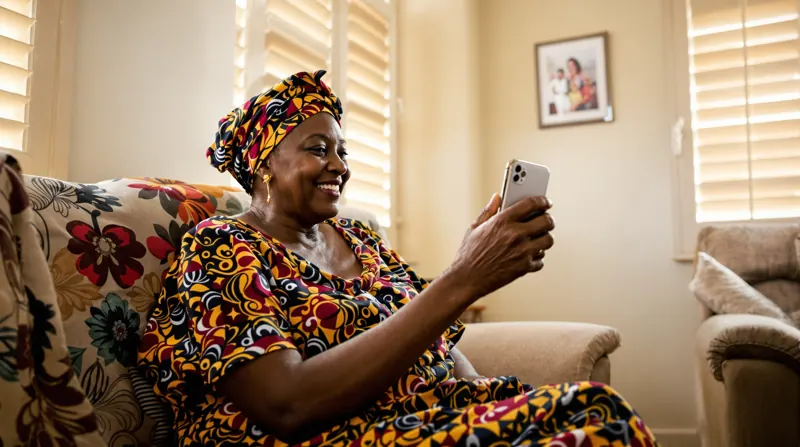
Most older parents do not want to worry their children, especially children who live abroad and are working hard. The US National Institute on Aging notes that some older people do not want to admit they are struggling, and may brighten up for a phone call even when they are low.
Changes also happen slowly. A parent who is a little slower each month may seem the same on every call, while a relative who visits once a year sees a big difference. That is why it helps to know exactly what to look for.
The 10 signs your elderly parent needs help
These signs come from guidance by the National Institute on Aging, AARP and Age UK, adapted for families in Nigeria.
1. They are losing weight or not eating properly
Unexplained weight loss is one of the clearest signs. It can mean your parent finds cooking or shopping hard, has lost their appetite through illness or low mood, has trouble with teeth or swallowing, or is forgetting to eat. Look at how their clothes fit, and what is in the fridge and kitchen. Food past its date, or very little food at all, tells you a lot.
2. Personal hygiene has slipped
Unwashed hair, body odour, the same clothes for days, or stains on clothing can mean washing and dressing have become hard or frightening, for example because of a fear of falling in the bathroom. Stains or a smell of urine can point to incontinence, which many parents are too embarrassed to mention.
3. Medicines are missed, muddled or running out
Look for tablets left in packets that should be finished, bottles that ran out weeks ago, or doses doubled by mistake. Missed blood pressure or diabetes medicine is especially dangerous. In Nigeria, high blood pressure affects about one in three adults and is the leading cause of stroke.
4. Falls, bruises or burns they cannot explain
Falls are common and serious in older people. In the US, about one in four older adults reports a fall every year, and falls are the leading cause of injury in that age group. Worldwide, the WHO estimates about 684,000 people die from falls each year, more than 80 in 100 of them in low- and middle-income countries.
Bruises your parent does not want to talk about, difficulty getting up from a chair, holding on to furniture to walk, or small burns on the hands can all be signs of falls or unsafe cooking.
5. The house is dirty, cluttered or unsafe
A parent who always kept a tidy home and now lives among clutter, dirty dishes or rubbish is likely struggling with energy, mobility, eyesight or memory. Watch for hazards too: loose rugs, poor lighting, cables across the floor, or a gas cooker left on.
6. Bills are unpaid or money is going missing
Unpaid electricity bills, unopened letters, money disappearing faster than it should, or new 'friends' asking for help can mean your parent is finding money harder to manage, or that someone is taking advantage. AARP notes that late or repeated payments and falling for scams can be early signs of memory problems.
Making sure the money you send home pays for your parent's care
7. Confusion or memory loss that affects daily life
Forgetting a name now and then is normal. Asking the same question several times in one call, getting lost on a familiar route, forgetting how to use the cooker, or not recognising familiar people is not. These can be early signs of dementia, but they can also be caused by infections, thyroid problems, low vitamin B12, depression or medicines, all of which can be treated.
8. They have stopped going out or seeing people
If your parent has stopped going to church or the mosque, to the market, or to see friends, ask why. It may be trouble walking, no transport, hearing loss, embarrassment about incontinence, or low mood. Research links isolation and loneliness in older people to high blood pressure, heart disease, depression and memory decline.
9. Their mood or personality has changed
Sadness, irritability, suspicion, anxiety or losing interest in things they used to enjoy can be signs of depression, which is common in older people and treatable, or of dementia or another illness. If your parent says they feel hopeless, get help quickly.
10. Cooking, driving or getting around has become unsafe
Pots left burning, scrapes and dents on the car, getting lost when driving, or near misses on the road all mean everyday activities have become risky. These are often the signs that finally prompt families to act, but they usually follow quieter signs that were there for months.
How to check from the UK, US or Canada
- Ask specific questions on calls: What did you eat yesterday? Which tablets did you take this morning? Who came to see you this week?
- Use video calls and notice the room behind your parent, how they move and how they are dressed
- With your parent's permission, ask a trusted neighbour, friend or relative to visit unannounced and tell you honestly how things look
- Ask your parent's doctor or pharmacist, with your parent's consent, whether medicines are being collected
- When you visit, look in the fridge, the medicine drawer and the bathroom, and watch how your parent manages a whole day
- Keep notes. A change over several months is easier to see written down
What to do next
One sign on its own is a reason to look more closely. Several together usually mean your parent needs regular help at home.
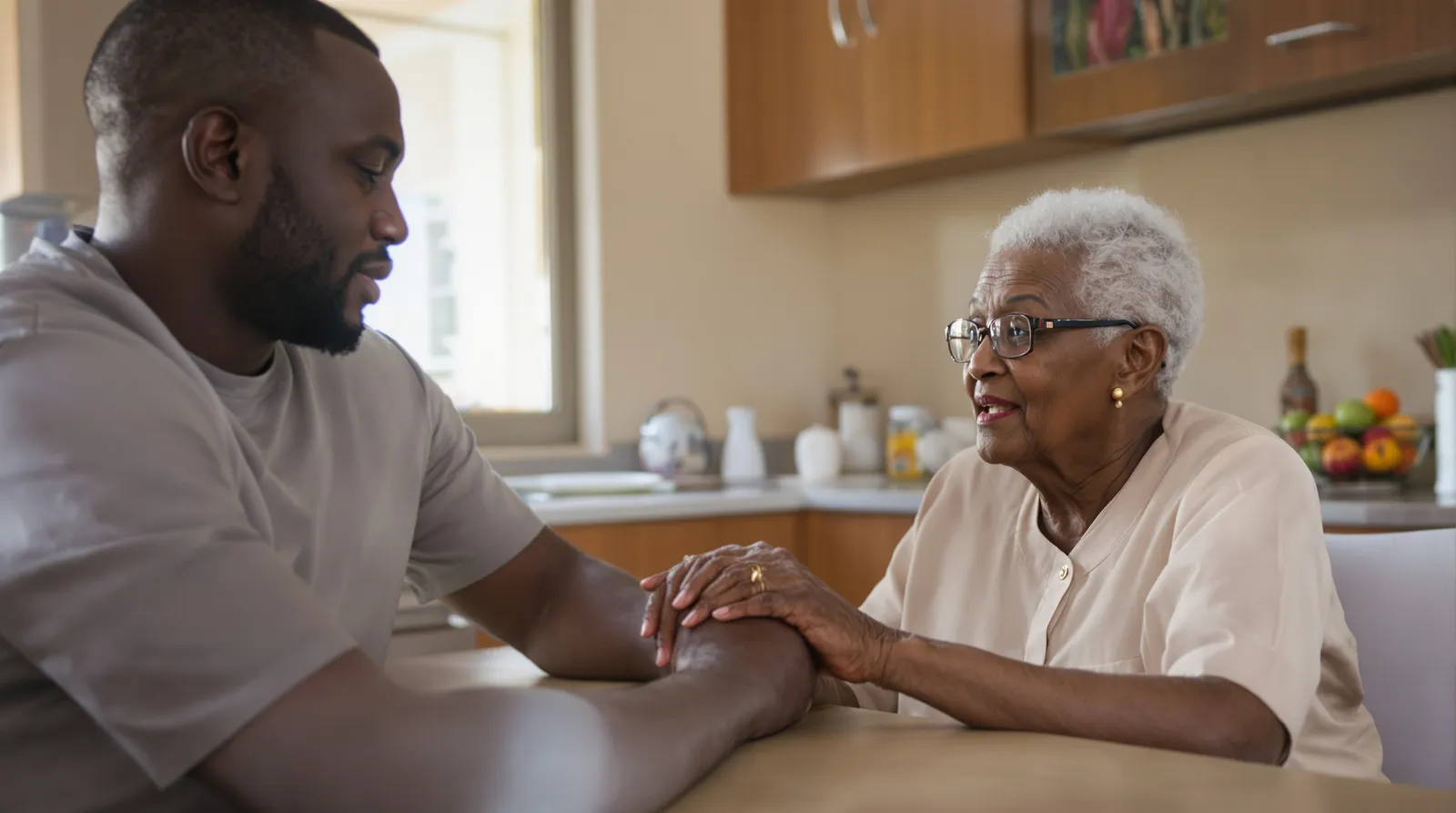
- Talk to your parent first. Say what you have noticed without criticism, and ask what would help
- Arrange a check-up with their doctor to rule out treatable causes
- Start with the help that matters most, such as meals, medicines or someone to stay at night
- Agree with your siblings who does what and who pays, so it does not all fall on one person
- Put an emergency plan in place: the nearest hospital, an emergency number and who can get there within an hour
If your parent refuses help, our guide on what to do when a parent refuses a caregiver has practical approaches that respect their independence.
How Home Care Nigeria helps
We start with a home assessment by a registered nurse, who looks at exactly how your parent is managing and recommends the right level of care, from daily companion visits to a live-in caregiver. After that, every visit is reported and signed by the nurse, so you can see how your parent really is, every day, from anywhere.
Common questions
How do I know if my elderly parent needs help?
Watch for weight loss, poor hygiene, missed medicines, falls or bruises, a dirty home, unpaid bills, confusion, withdrawal from friends and activities, mood changes and unsafe cooking or driving. Several of these together usually mean they need regular help.
What are the signs an elderly parent can no longer live alone?
Repeated falls, wandering or getting lost, forgetting to eat or take medicines, leaving the cooker on, not recognising danger, and being unable to wash or use the toilet safely. At that point someone should be with them for at least part of the day, and often at night.
How can I check on my parent from abroad?
Ask specific questions, use video calls, ask a trusted neighbour or relative to visit unannounced, speak to their doctor with their permission, and look closely when you visit. A care service that sends you a report after each visit also helps.
Is it safe for an elderly parent to live alone in Nigeria?
Many older people live alone safely, especially with family and neighbours nearby. It becomes unsafe when there are falls, memory problems, missed medicines or a lack of help in an emergency, particularly at night.
Why is my elderly parent losing weight?
Common reasons include difficulty shopping or cooking, poor appetite from illness or low mood, dental or swallowing problems, forgetting to eat, and medical conditions. Unexplained weight loss should be checked by a doctor.
What should I do if my parent will not admit they need help?
Raise it gently and specifically, without criticism. Suggest small, practical help first, involve someone they trust such as their doctor, and frame it as something that would help you worry less.
Sources
Facts checked on 3 Oct 2026. Details change, so call ahead before you go.
- National Institute on Aging: does an older adult in your life need help?
- AARP: warning signs an older person needs help
- Age UK: worried about someone
- World Health Organization: falls fact sheet
- CDC: older adult falls data
- National Institute on Aging: social isolation and loneliness in older people
- Nwankwo et al., BMC Cardiovascular Disorders 2026: prevalence of hypertension in Nigeria