Download the free checklist
The checklist is a single A4 page you can print at home or at any business centre. It is free to print, copy and share with family or a caregiver. Tell us where to send it and it will be in your inbox in a minute.
Print a week's worth at a time, write your parent's name and the date at the top, and keep the sheets in a folder next to their medicines. At the end of the week, take a photo and share it on the family WhatsApp group, or keep the folder for the doctor.
What the checklist is based on
Professionals who assess older people look at two groups of everyday tasks:
- Activities of daily living: the six basics of looking after yourself. These are bathing, dressing, using the toilet, moving from bed to chair, controlling bladder and bowels, and feeding yourself. They come from the Katz Index, which nurses and doctors have used for decades.
- Instrumental activities of daily living: the tasks needed to live independently. These are using the phone, shopping, preparing food, housekeeping, laundry, getting around, taking your own medicines and managing money. They come from the Lawton scale.
A daily checklist tracks the first group every day and gives you a way to notice when your parent starts to struggle with the second.
Morning
- Slept well, no falls in the night: ask, and look for bruises. Night-time falls are common, especially on the way to the toilet.
- Helped to wash and dress: note whether they managed alone, needed some help or needed full help. A change here is an early warning.
- Teeth or dentures cleaned: mouth care twice a day matters more than most families realise, because poor mouth hygiene raises the risk of chest infections.
- Breakfast eaten: write roughly how much, such as all, half or a few spoons.
- Morning medicines taken: tick here and fill in the medicines table.
Eating and drinking
Older people are at higher risk of dehydration, partly because they feel less thirsty. The NHS lists dark, strong-smelling urine, needing the toilet less often, dizziness, tiredness, a dry mouth and sunken eyes as signs. In Lagos heat, this matters even more.
- Note how much of each meal is eaten. Steady weight loss or eating less over a week is worth raising with the doctor.
- Offer drinks throughout the day rather than waiting to be asked.
- Note if the urine is dark, and if bowels have opened. Constipation is common, especially with some medicines and with less movement.
Medicines
The medicines table is the most important part of the sheet. Write each medicine and dose once, then for each dose record the time, whether it was given, and if it was refused or missed, why.
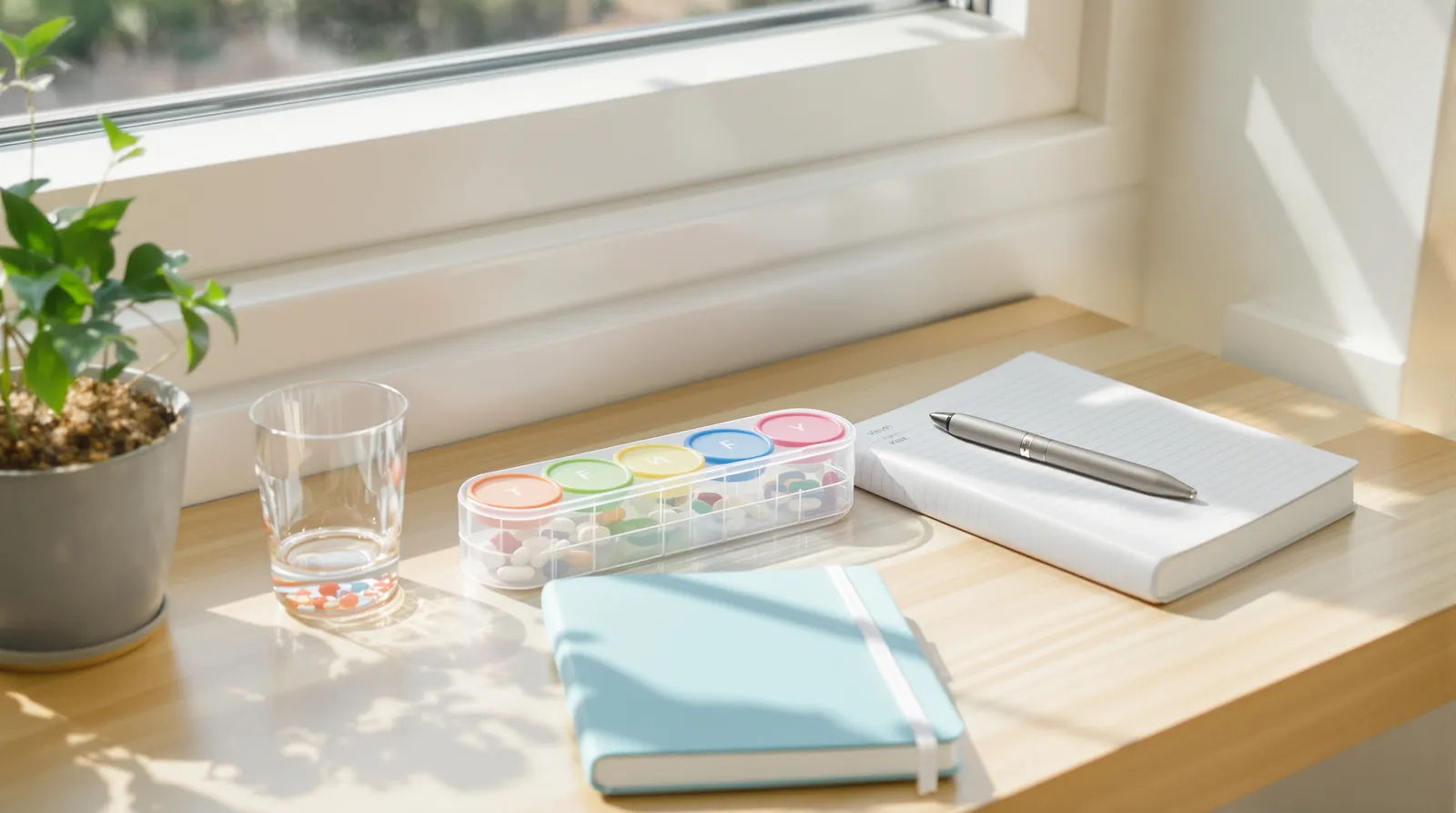
The US National Institute on Aging recommends taking medicines at the same time each day, using routines such as meals or bedtime as reminders, using a weekly pill organiser, and never skipping or halving doses to save money. Report side effects or problems to the doctor rather than stopping a medicine.
- Keep a full, current list of medicines and doses, and update it after every doctor visit
- Use a weekly pill organiser, filled by the same person each week
- Record every dose on the sheet
- Check stock every week so nothing runs out
- Never stop or change a medicine without asking the doctor
Moving and safety
- Note whether your parent walked or moved, and how much help they needed. Getting up from a chair or bed is a good test of strength.
- If they spend most of the day in bed, record when their position was changed.
- Check walkways are clear, rugs are secure and the floor is dry.
- Make sure the cooker and gas are off when not in use.
- Keep doors secure and a phone within reach.
Falls are one of the biggest risks for older people. The WHO estimates about 684,000 people worldwide die from falls each year.
Skin and comfort
If your parent sits or lies down for long periods, check their skin every day, especially the hips, lower back, buttocks and heels. On dark skin, early pressure damage can look purple or blue rather than red. Feel for patches that are warm, hard, spongy or painful.
Mood and memory
Note whether your parent seemed like themselves, whether there was any new confusion, and whether they did something they enjoy or spoke to family or friends. Low mood, withdrawal and new confusion are easy to miss day to day but obvious when you look back over a few weeks of sheets.
Sudden confusion over hours or a day is different from gradual memory problems. It is often caused by an infection or another illness and needs a doctor quickly.
Readings
If you have the equipment, record blood pressure, pulse, temperature and, for people with diabetes, blood sugar. Ask your parent's doctor what range is normal for them, and write it on the first sheet of the week. A home blood pressure monitor is one of the most useful things a family can buy for an older parent, because high blood pressure is the leading cause of stroke.
Notes, and when to call for help
Use the notes space for anything the family or a nurse should know: a new pain, a visitor, a change in appetite, or something your parent said that worried you.
The box at the bottom of the sheet lists the signs that need help at once. In Lagos, call 112 or 767 for chest pain, trouble breathing, a fall with an injury, or the signs of a stroke: a drooping face, a weak arm, slurred speech, or sudden loss of balance or sight. Write your parent's preferred hospital and a family contact in the box so anyone using the sheet knows what to do.
Making the checklist work for your family
- Agree who fills it in each day, especially if care is shared between relatives and a helper
- Keep it simple. A tick and a few words is enough
- Look back over the week, not just the day. Patterns matter more than single days
- Share it with siblings abroad, so everyone sees the same facts
- Take the week's sheets to doctor appointments
How Home Care Nigeria does this for you
Our caregivers record all of this, and more, on our app at every visit, even without signal. Readings are checked against safe ranges set by our nurse, missed medicines are flagged the same day, and a registered nurse reviews and signs each report before your family reads it online, wherever you live.
Common questions
What should be on a daily checklist for an elderly parent?
Sleep and falls, washing and dressing, mouth care, meals and drinks, toileting, every medicine dose, skin checks, moving safely, mood and memory, readings such as blood pressure, notes, and the signs that mean calling for help.
What are the 6 activities of daily living?
Bathing, dressing, using the toilet, moving from bed to chair, controlling bladder and bowels, and feeding yourself. They come from the Katz Index used by nurses and doctors.
What is the difference between ADLs and IADLs?
Activities of daily living (ADLs) are the basics of self-care, such as washing and eating. Instrumental activities (IADLs) are the tasks needed to live independently, such as shopping, cooking, managing medicines and handling money.
How do I keep track of my parent's medicines?
Keep a current list of every medicine and dose, use a weekly pill organiser, record each dose on a daily sheet including any refused or missed and why, and check stock weekly so nothing runs out.
How much water should an elderly person drink a day?
It varies with health, weather and activity, so ask their doctor, especially if they have heart or kidney problems. Offer drinks regularly through the day, and watch for dark urine, dizziness or a dry mouth as signs of dehydration.
How often should you check an elderly person's skin?
Every day if they spend long periods sitting or lying down, paying attention to the hips, lower back, buttocks and heels.
Is the checklist free?
Yes. Enter your first name and email on this page and we email it to you straight away. It is free to print, copy and share with your family or a caregiver.
Sources
Facts checked on 3 Oct 2026. Details change, so call ahead before you go.
- Hartford Institute for Geriatric Nursing: Katz Index of Independence in Activities of Daily Living
- Lawton Instrumental Activities of Daily Living scale
- National Institute on Aging: taking medicines safely as you age
- National Institute on Aging: what is long-term care?
- NHS: dehydration
- NHS: pressure sores
- World Health Organization: falls fact sheet
- CDC: stroke risk factors